If you struggle with managing your lower back pain, you’re not alone. Chronic low back pain is one of the most common reasons people seek medical care. Standard treatments, such as injections, can work well for many, but relief is sometimes short-lived.
In some cases, that lingering pain can be traced back to a specific source inside the spine: the vertebral endplates, which connect the discs to the bones. That’s where a newer treatment option comes in.
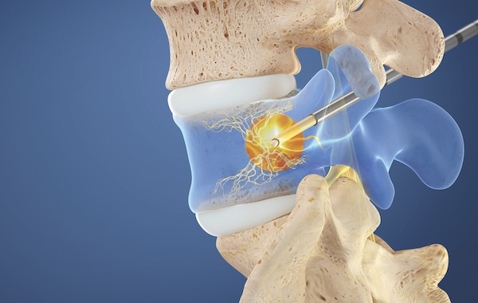
The Intracept® procedure is a minimally invasive approach designed to target this problem directly. By shutting down the basivertebral nerve, the nerve that carries pain signals from the vertebrae to the brain, the procedure aims to reduce or even stop the pain at its origin.
Before choosing any treatment, it’s natural to have questions. Get answers to some of the most frequently asked questions below.
Am I a candidate for Intracept?
First, not all types of back pain are suitable for treatment with this procedure. Intracept is generally for people who’ve had low back pain for at least six months, tried other therapies, and have MRI results showing Modic type 1 or type 2 changes. These are specific changes in the bone that point to vertebrogenic pain.
How does the procedure work?
The Intracept procedure is performed under anesthesia so that you won't feel anything during the treatment. The doctor makes a tiny incision in your lower back, guides a probe into the vertebra, and uses radiofrequency energy to stop the basivertebral nerve from sending pain signals. The procedure usually takes about an hour.
What will recovery be like?
You may feel a little sore at the incision site for a few days, but most people return to normal activities quickly. Your doctor may advise you to avoid heavy lifting or strenuous exercise for a short period. Pain relief usually doesn’t happen instantly but rather improves gradually over the weeks and months after treatment.
Are there any risks I should be aware of?
Like any medical procedure, there are risks, but Intracept is considered a very safe option. Possible issues include infection, bleeding, or temporary soreness, but serious complications are rare. Your doctor will review the details with you so you can make an informed decision.
Will my insurance cover it?
Many insurance plans, including Medicare, do cover Intracept (if specific criteria are met). Coverage can vary, however, so the clinic will verify your benefits before proceeding.
Explore Your Options for Chronic Low Back Pain Relief
At Commonwealth Pain & Spine, Intracept is just one of many advanced treatments we offer for back pain. Every patient’s situation is unique, of course, which is why our specialists will take time to review your history, imaging, and symptoms to recommend the best approach.
Still have questions about Intercept? Schedule a consultation to determine if Intracept may be the right next step for you.


.2512090818069.jpeg)
