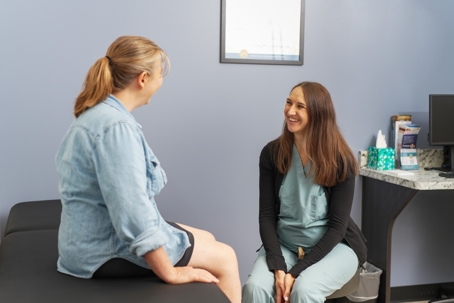
For Dr. Paige Schroder, who sees patients at our two locations in Cincinnati, pain management is about more than procedures or treatment plans – it’s about listening closely, staying present, and helping patients get back to a life with less pain and more joy.
In our interview below, learn what first inspired Dr. Schroder to pursue pain management, how personal experiences shaped her approach to patient care, and why helping patients feel heard is just as important as helping them feel better.
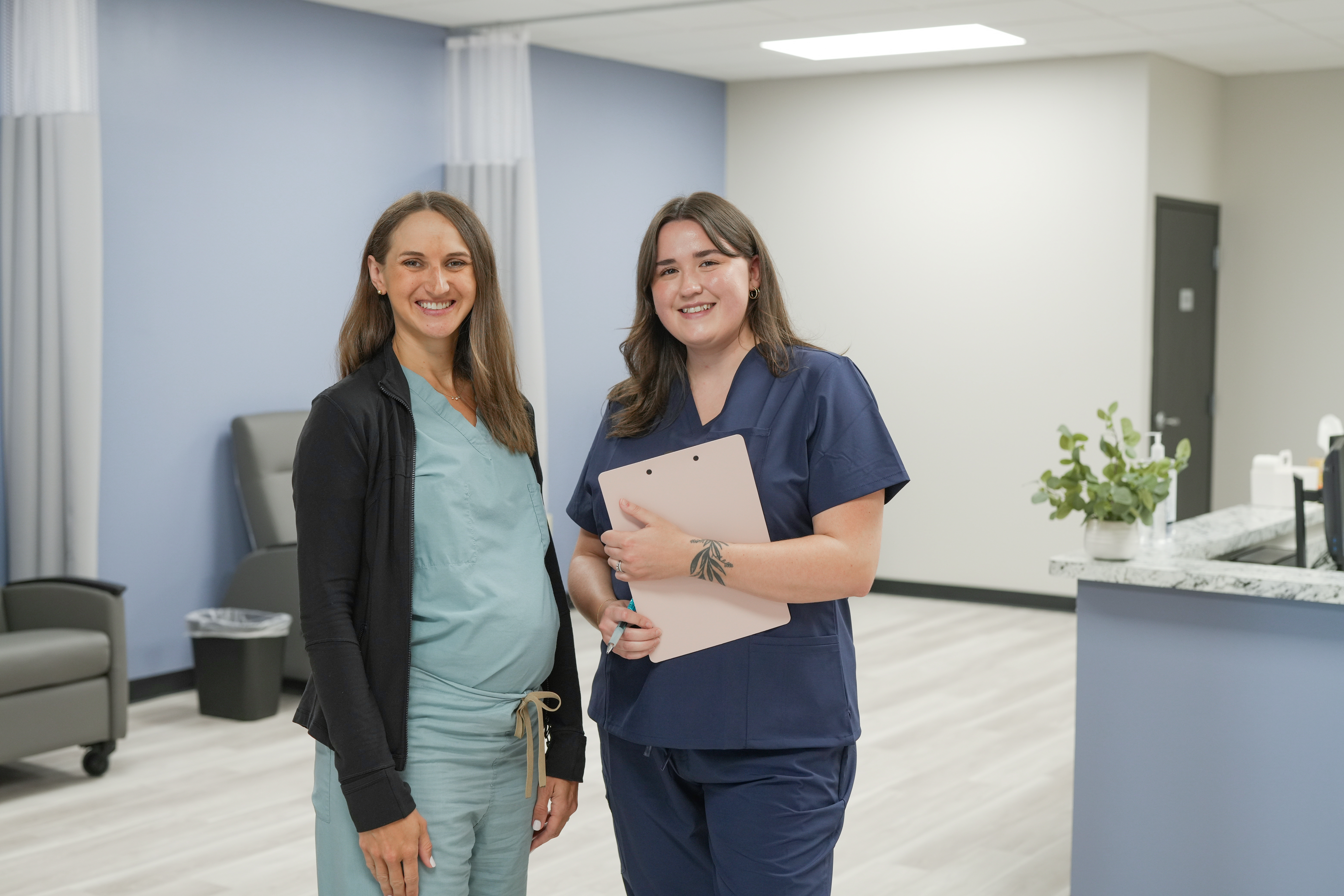
Tell us a little about what drew you to pain management.
During anesthesia residency, I loved my time spent in the pain clinic doing procedures and seeing the real difference it could make for patients. I always knew I wanted to be in a hands-on field, and pain management allows me to do that while also forming long-term relationships with patients.
It’s extremely rewarding to see patients with chronic pain get relief from my interventions and have improved quality of life.
When you think about your work at Commonwealth Pain & Spine, what makes you most proud?
I am proud of our whole team and the hard work we all put in every day to take great care of our patients. The patients are our top priority, and I want them to know we are here for them. A lot of patients tell me that they don't always feel heard by their doctors, but we want them to feel heard here.
Are there any emerging treatments or techniques in pain management that you’re particularly excited about?
Pain management is changing every day, and there are always new therapies being developed. This is part of what excites me about the field. I am always learning something new and finding new ways to help my patients.
Is there a small habit or daily routine you often encourage your patients to try?
Move your body! Exercise is extremely important for overall health and helps with chronic pain. It doesn’t have to be running a marathon. Even simple exercises like walking or spending 20 minutes on a stationary bike a few times a week can make a big difference.
Is there a message or mindset you try to share with every patient you see?
I always discuss with my patients that even if their pain is not curable, my goal is to make their pain manageable. Many sources of pain cannot be fixed, but there are treatments that can improve patients’ quality of life. I think it is important for people to realize that they can still have a meaningful life despite chronic pain.
Was there a mentor, teacher, or experience that had a major influence on your path in medicine?
I dealt with personal health issues during medical school that had a major influence on how I practice medicine. I had both good and bad experiences with doctors, and I learned from both.
I will never forget my first appointment with my radiation oncologist when I found out I had to undergo radiation treatment. It was an extremely difficult time, and I had a million questions. He spent two hours with me answering everything in detail and making sure I was completely comfortable with the treatment plan.
These experiences influence how I treat my own patients, and I always try to make sure my patients feel heard and feel comfortable.
After a busy day in clinic, how do you like to recharge?
I have a toddler and a new baby at home, so when I go home after work I start my other job as mom! It is exhausting and chaotic, but I love spending time with my family. We try to be outside as much as possible. Fresh air and nature make a huge difference for mental health!


