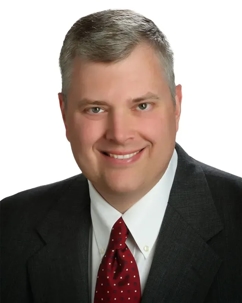
“The biggest thing I’ve learned is how often people feel unheard in the medical system. I can’t tell you how many patients have told me, “I kept saying this and this, and my doctor didn’t listen.” So, when I walk into a room, I sit down, and I listen. I ask questions. I give people space to talk. It makes a difference. ”
Dr. James Jackson always knew he wanted to be a physician. Inspired by his grandfather, who practiced medicine in Eminence, a small, rural town located outside of Louisville, KY, there was no question about what career path he wanted to take. Not only did he want to be a doctor, but one who took the time to listen to his patients, to see them beyond the pain.
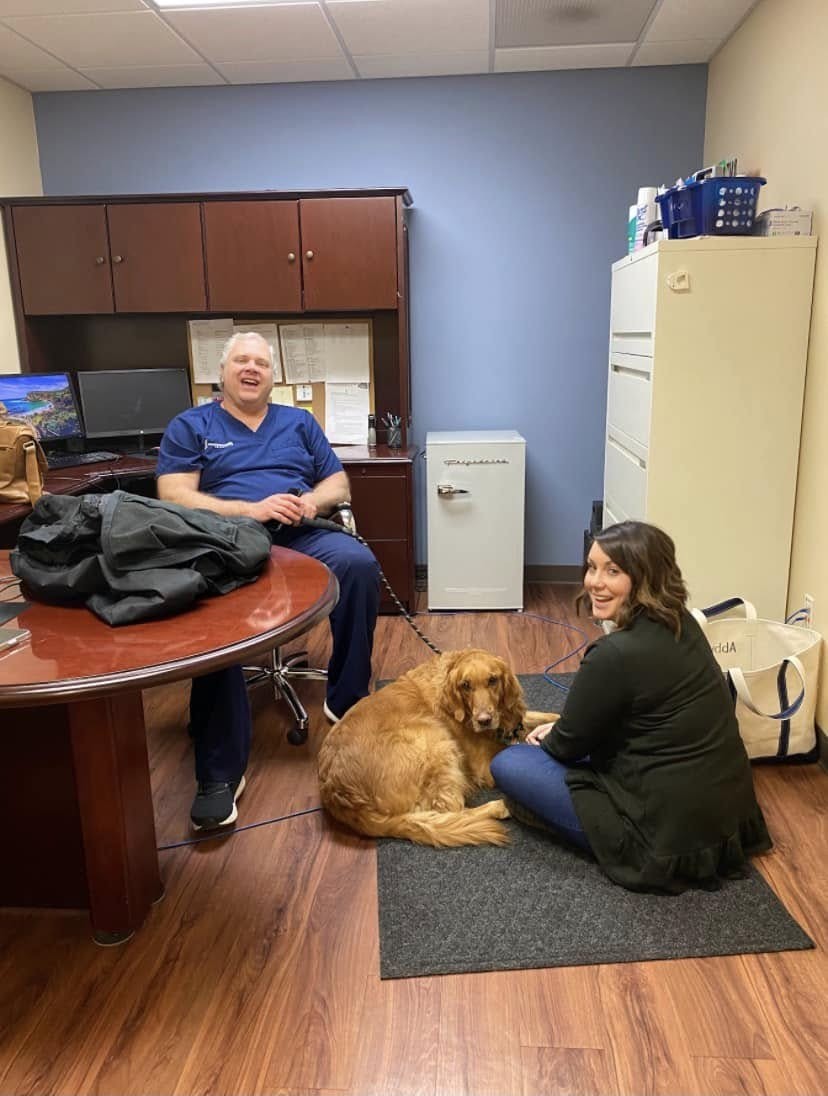
That same sense of purpose now defines his work at Commonwealth Pain & Spine, where Dr. Jackson is known for balancing his medical expertise with compassion for his patients - just like his grandfather. Board certified in anesthesiology and pain medicine, he sees patients at Commonwealth's St. Matthews and Elizabethtown locations, sometimes with his Golden Retriever, Abby, by his side.
We sat down with Dr. Jackson to learn more about what motivates him, how he approaches patient care, and what innovations in pain management he's most excited about.
What first drew you to pain management?
During my anesthesiology residency at the University of Louisville (UofL), I found myself really enjoying the procedural side of medicine. I loved being in the OR, but I also valued the clinic setting, working with patients one-on-one, following their progress.
Pain management offered a unique opportunity to combine both of those worlds. It’s a great fit for me: hands-on work, continuity of care, and the ability to really make a difference.
What makes you most proud of the work being done at Commonwealth Pain & Spine?
The level of excellence across the board. From the front desk to the physicians, there’s a high standard here, and we all take pride in that. I also think we’re breaking the stigma around pain management. There’s a misconception out there that pain clinics just “hand out pills.” That’s not what we do. We’re focused on patient-centered care, offering the latest treatments, and listening to our patients.
Are there any new treatments or techniques you're especially excited about?
Yes! I recently started performing the Intracept® procedure. It’s a novel approach for treating a specific type of chronic low back pain that, historically, we haven’t had a solution for. The results so far have been pretty profound. Patients are getting real relief. It’s exciting to offer something truly new for people who’ve been told for years that there was nothing that could help.
What simple habits do you recommend most often to your patients?
Move your body. Stretch. Watch what you put in it. Eat well. Stay hydrated. Don’t smoke. There are so many things in life we can’t control, but these, we can. Those basic, healthy habits go a long way in supporting pain recovery and overall well-being.
Have your patients ever taught you something that stuck with you?
Absolutely. The biggest thing I’ve learned is how often people feel unheard in the medical system. I can’t tell you how many patients have told me, “I kept saying this and this, and my doctor didn’t listen.” So, when I walk into a room, I sit down, and I listen. I ask questions. I give people space to talk. It makes a difference.
Who inspired you to go into medicine?
My grandfather. He was a family doctor in Eminence, Kentucky. Graduated from UofL’s med school in 1943, went straight into the military, and served with Patton’s army. He passed away when I was nine but that short time, I had with him left a huge impression. There was never a question about what I wanted to do.
To this day, I meet patients who remember him. People still talk about the care he gave. That legacy is a big part of why I do what I do.
How do you stay motivated in such a demanding field?
The people I work with. Dr. Young, especially. His energy is contagious. Everyone here is committed, professional, and striving to be the best. That kind of environment pushes you to do your best work, too. There are no slackers here.
What might surprise patients who only know you as “Dr. Jackson”?
I’m actually really introverted. In the exam room, I turn it on. I’m personable and talkative. But in my own time, I’m very quiet. I could sit in a silent room for hours and be totally content.
After a busy day in the clinic, how do you recharge?
I go home, throw on some music, maybe pour a little bourbon, and relax in my zero-gravity chair. I've had back issues myself, so by the end of the day, my legs are tired, and I need to decompress. That’s my way of letting the day go.
Is there a message you try to leave every patient with?
Stay positive. I know that’s easier said than done, especially when someone’s dealing with chronic pain. But mindset matters. A lot of patients are surrounded by negativity - from others, or just from their circumstances - and I try to help them tap into something more hopeful. There really is power in positive thinking.
.2509020933514.jpg)