.2504240653256.png)
Tiffany Ballington, APRN, understands the value of small, consistent steps. It’s a philosophy she brings to her own life and one she shares with patients who may feel overwhelmed by the challenges of living with chronic pain.
Rather than focusing on perfection or complete pain relief, Tiffany encourages patients to recognize meaningful progress: a little less stiffness, improved mobility, or a greater ability to work, spend time with family, and enjoy everyday activities. She believes careful listening is just as important as treatment and wants every patient to feel heard, respected, and supported.
In our interview below, Tiffany, who sees patients at Commonwealth in Columbia, SC, shares why gentle movement can make a difference, which advances in pain management give her hope, and how she recharges outside the clinic—from cheering on the South Carolina Gamecocks to planning her next sports adventure.
Tell us a little about what drew you to pain management.
I was drawn to pain management because it offers the opportunity to make a meaningful difference in patients’ daily lives. Chronic pain affects not only physical health, but also a person’s ability to work, enjoy time with family, and maintain their overall well-being.
I appreciate that pain management takes a comprehensive, patient-centered approach by combining medical knowledge, procedural skills, and collaboration with other healthcare professionals. I find it rewarding to help patients improve their function and quality of life, even when complete pain relief isn’t possible. That combination of long-term relationships, problem-solving, and measurable improvements in patients’ lives is what makes pain management especially appealing to me.
When you think about your work at Commonwealth Pain & Spine, what makes you most proud?
Our office staff members are not just coworkers—they’re like family. I’m most proud of the difference we make in our patients’ everyday lives. Even small improvements in pain or mobility can have a tremendous impact on someone’s ability to work, spend time with family, or enjoy daily activities. It’s rewarding to be part of a team that treats patients with compassion and helps them move toward a better quality of life.
Are there any emerging treatments or techniques in pain management that you’re particularly excited about?
I’m excited about the continued advancement of minimally invasive procedures and neuromodulation techniques, such as spinal cord stimulation, which can provide relief for patients with chronic pain when other treatments haven’t been successful.
I’m also interested in the growing emphasis on individualized, multidisciplinary care that combines procedures, physical therapy, behavioral health, and lifestyle interventions to improve function and quality of life. It’s encouraging to see the field moving toward more targeted, patient-centered treatments while also reducing reliance on long-term opioid therapy.
Is there a small habit or daily routine you often encourage your patients to try?
I encourage patients to make gentle daily movement part of their routine. Consistent activity, at a level that's appropriate for them, can help reduce stiffness, improve strength and function, and support overall pain management.
Small, consistent habits often have a greater long-term impact than trying to make dramatic changes all at once. Combined with following their provider’s recommendations, daily movement is a practical habit that can make a meaningful difference over time.
Have your patients ever taught you something that stuck with you?
One patient taught me the value of truly listening. Sometimes patients don’t just want a treatment, they want to feel heard and understood. That experience reinforced how important communication and compassion are in building trust and providing good care.
Is there a message or mindset you try to share with every patient you see?
I encourage patients to focus on progress rather than perfection. Pain management is often a journey, and even small gains in function or quality of life are meaningful. I want every patient to feel heard, respected, and supported throughout that process.

Was there a mentor, teacher, or experience that had a major influence on your path in medicine?
An orthopedic physician I worked with early in my career had a major influence on my path in medicine. What stood out wasn’t just their clinical knowledge, but the way they treated every patient with respect and compassion. They took the time to listen, explain treatment plans, and make patients feel heard.
Watching the trust they built with patients reinforced my desire to pursue a career in medicine and strive to provide that same level of care.
How do you stay motivated in such a demanding field?
I stay motivated by remembering that every patient interaction is an opportunity to make a positive impact. Some days, the biggest difference comes from listening, showing empathy, or helping a patient feel supported. Celebrating those small victories, continuing to grow professionally, and being part of a collaborative team help me stay engaged, even in a demanding specialty like pain management.
Is there something about you that might surprise people who know you only as their healthcare provider?
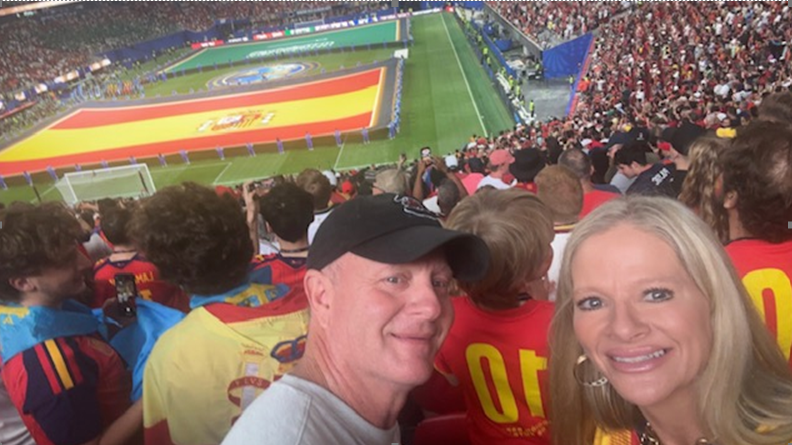
Most of my patients probably wouldn’t guess that I’m a huge sports fan. I love going to South Carolina Gamecocks football games, and one of the coolest experiences I’ve had recently was traveling to see a FIFA World Cup match.
When I’m not at work, you’ll usually find me cheering on my favorite teams or planning my next sports adventure. I think having interests outside of work helps me be more present, compassionate, and focused when I’m caring for patients.
After a busy day in the clinic, how do you like to recharge?
Physical activity is one of the best ways for me to recharge. I love taking a 45-minute reformer Pilates class after work. It helps me clear my mind and manage stress.
I also make time for family and hobbies that help me maintain a healthy work-life balance. Taking care of myself allows me to be more present and compassionate with my patients.